Musings on Neuroscience, Psychology, Biology, Physics, Philosophy, and Human Nature

Recent Posts

  • Constantly Adapting

    We think of young people when we think of texting and memes, but right now, there are 60-year-olds who are meme gurus, marketing masters—gamers, even. When you look past the cliches, you’ll see mankind is constantly adapting. But what does this mean?

    My parents weren’t born and trained for the dawn of iPhones. They were thrust into it, and had to unlearn and learn many things. No longer did they have to memorize phone numbers; but they did grow to learn about apps and social media.

    I can’t say that ancient humans had to go through radical changes like this, and I don’t feel evolution wanted this for us.

    For millions of years, humans were born into a lifestyle, got used to it, and mastered it. They could use this exceptional mastery and train the next generation. So on and so on. Legends, hunting styles, tools. Legacy meant something.

    What relevant thing could I pass to my kin? Typing? We may all be using AI by that point, or texting with our minds. Any children I might have will learn the new tech on their own; meanwhile, my brain will carry obsolete info, and will be forced to constantly adapt to the next big thing.

    Don’t get me wrong, it’s healthy to keep learning, to challenge your mind. But mastery in life, whether with a skill or with a type of technology, is a reward in of itself. And it’s hard to master technology when it radically evolves with each new generation.
  • Rain and The Windowpane (we never stop changing)

    If I approached you and asked, “Who are you?” you might tell me your name and your job. You might list some hobbies you enjoy, or the kind of clothes you like to wear. In all likelihood, you’d answer this question as if there were a fixed answer—and that would lead me to my real question: “Why are you, you, and who will you be next?”

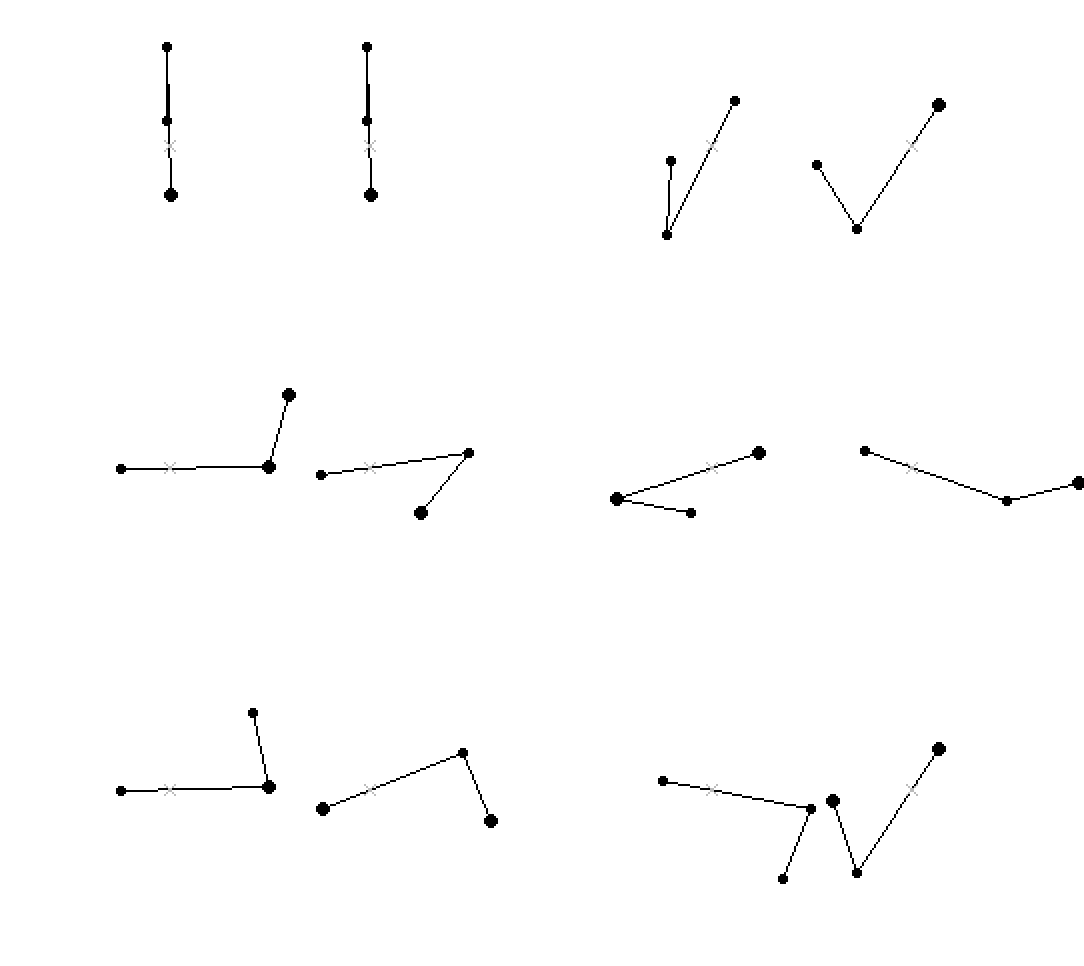
    The strongest guiding force in all our lives is also the most elementary: cause and effect. Initial conditions, tweaked even the tiniest bit, can drastically change the outcome of an object.

    Initial conditions play a large part in not only where we end up, but our entire journey to get to that point. Just take a look at two identical pendulums that are positioned slightly differently. (Credit: University of Reading)

    A raindrop on a windowpane will scroll downward and leave a unique, zigzag trail. But a second raindrop that lands in the same spot will make a different pattern. Why is this? A myriad of causes on the atomic level are acting on the second raindrop, causes different than the first raindrop. The speed the second raindrop hits the window, the shape of the raindrop, the weight of it, the number of atoms in it and how those atoms interact with the atoms of the window—these and many more are factors that shape the journey of the second raindrop.

    The window, too, is a culprit: its thinness or thickness, its roughness or smoothness, its temperature (hot, cold, etc.), its sturdiness against the rain (is it rattling against the wall, causing raindrops to shake and wiggle as they slick downward?).

    Then there’s windspeed and… you could go on forever. So imagine all the minute things that added up to form your interests. Fashion styles you were exposed to depending on where you were born, the music your parents chose to play around you, whether you were happy or moody the first time you watched a new movie. And the “causes” continue even as we’re in motion. We slick through life and have a favorite food, but depending on our emotional state, we may try something new in a restaurant, and after eating that new thing a couple times, it may become our new favorite. Even the most stubborn person is not immune to the many forces acting on and around us. The change they’re undergoing is just minute and unknown to us outsiders, and possibly even themself.

    I was inspired to write this after reading a piece from psychologist and neuroscientist Stephen M. Kosslyn titled The Continually New You. It’s in an anthology titled Know This, a collection of mini-essays written by scientists about what they see as the biggest marvels in the 21st century. I highly recommend it; there’s tons to see and it’s easily digestible.

    Until next time, stay curious. Stay human.

  • Words Ready at a Second’s Notice

    From a video playing at one of Planet Word’s exhibits, I learned about aphasia, a condition that makes it difficult for the brain to find its intended words for speech or writing.

    Think how fascinating language is—even when you can’t think of how to articulate something, you’ve millions of words in a brain bucket, capable of being summoned at a moment’s notice.

  • The Obstinance of Our POV – “Obstinate” – FOWC of 12/30/23

    One of the most frustrating things about being human is that we can never get a full glimpse at ourselves.

    We’ve domesticated dogs, bred different kinds for selected purposes, and have learned how to train them and how their mating behavior works. But could a group of non-pit bull dogs decipher amongst each other who has the genes that, several generations down, would create a pit bull? Could those same dogs then coordinate amongst each other to mate in a way that would create said pit bull?

    Unlikely. Even if they had human-level intellect, they’re biased by seeing things from their point of view. While you may struggle to tell two dogs apart, or two birds, or two of any species, the animal themself doesn’t have that problem. They pick up on facial cues or smells that as humans we can’t perceive, just as bees see ultraviolet light and we can’t.

    So intelligent dogs would be able to pick on mating cues humans are blind to, but at the same time, dogs would miss out on other physical features of themselves that as humans we’d have an easy time spotting.

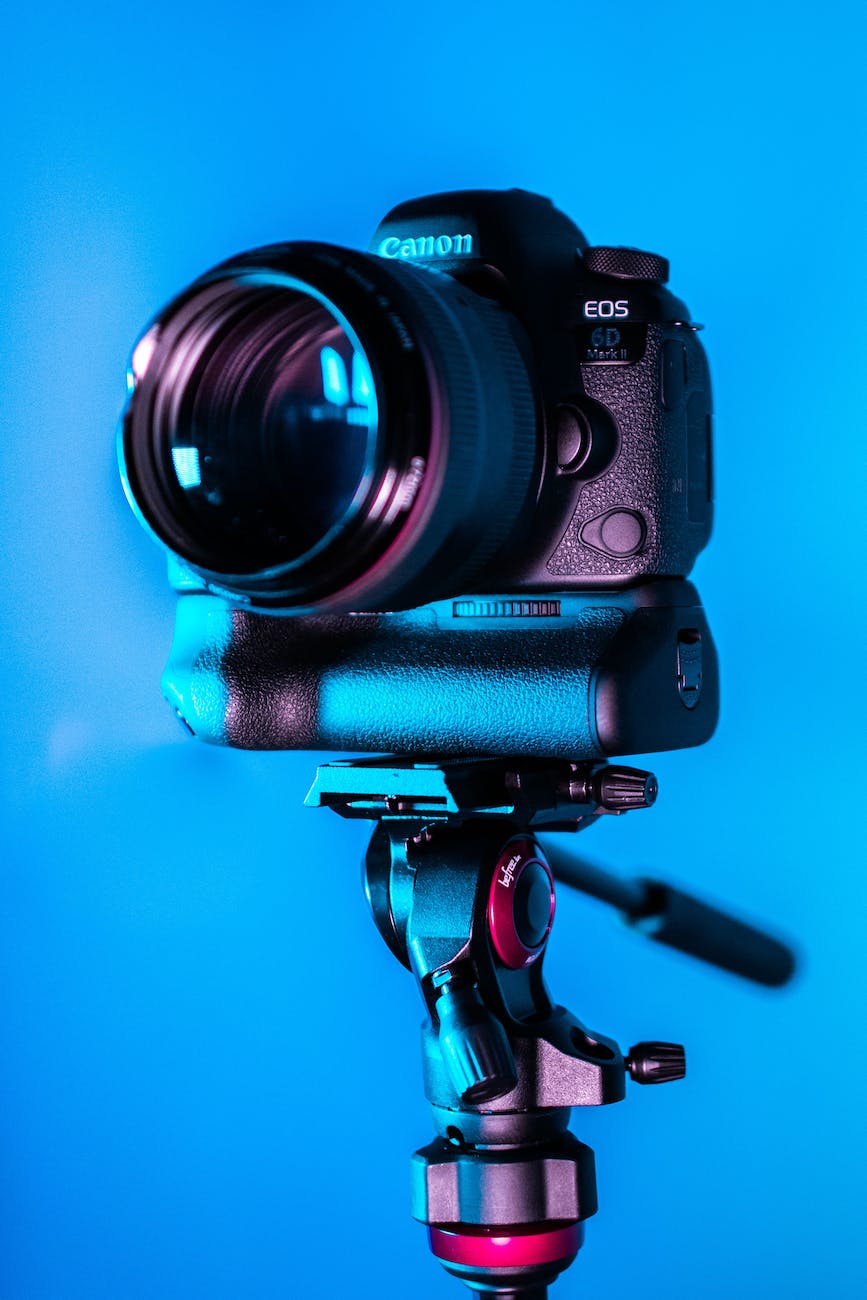
    Photo by Luis Quintero on Pexels.com

    As humans, we have an understanding of our body that no animal could ever have, because we are us. We also know what it feels like to be a human viewing other humans. But we’ll never know what it feels like to be a dog viewing a human. It’s possible that humans have mating behaviors or social behaviors that are invisible to us, but are easily noticed by other animals.

    Why do we yawn? Why do we sometimes shiver for no reason? Do we have a pose or behavior that signifies us, like how cats meow? We know all living things radiate heat, and with special cameras, this heat is visible and resembles an aura. But how does that aura fluctuate throughout the day?

    Unfortunately, we’re like cameras. While there’s a lot we can see, we’re each configured with a set brightness level, hardware, lens type, battery level—our obstinate point of view limits what we can perceive. And there’s so, so much to perceive about the natural world around us.

    Maybe if intelligent aliens ever come down, they can tell us things about ourselves we’ve never noticed.

    ~~ This post was inspired by Fandango’s One Word Challenge ~~